

David Moore
Chair of Formulation Science

Daniel Hodgson
Director of ECFP
Case Studies
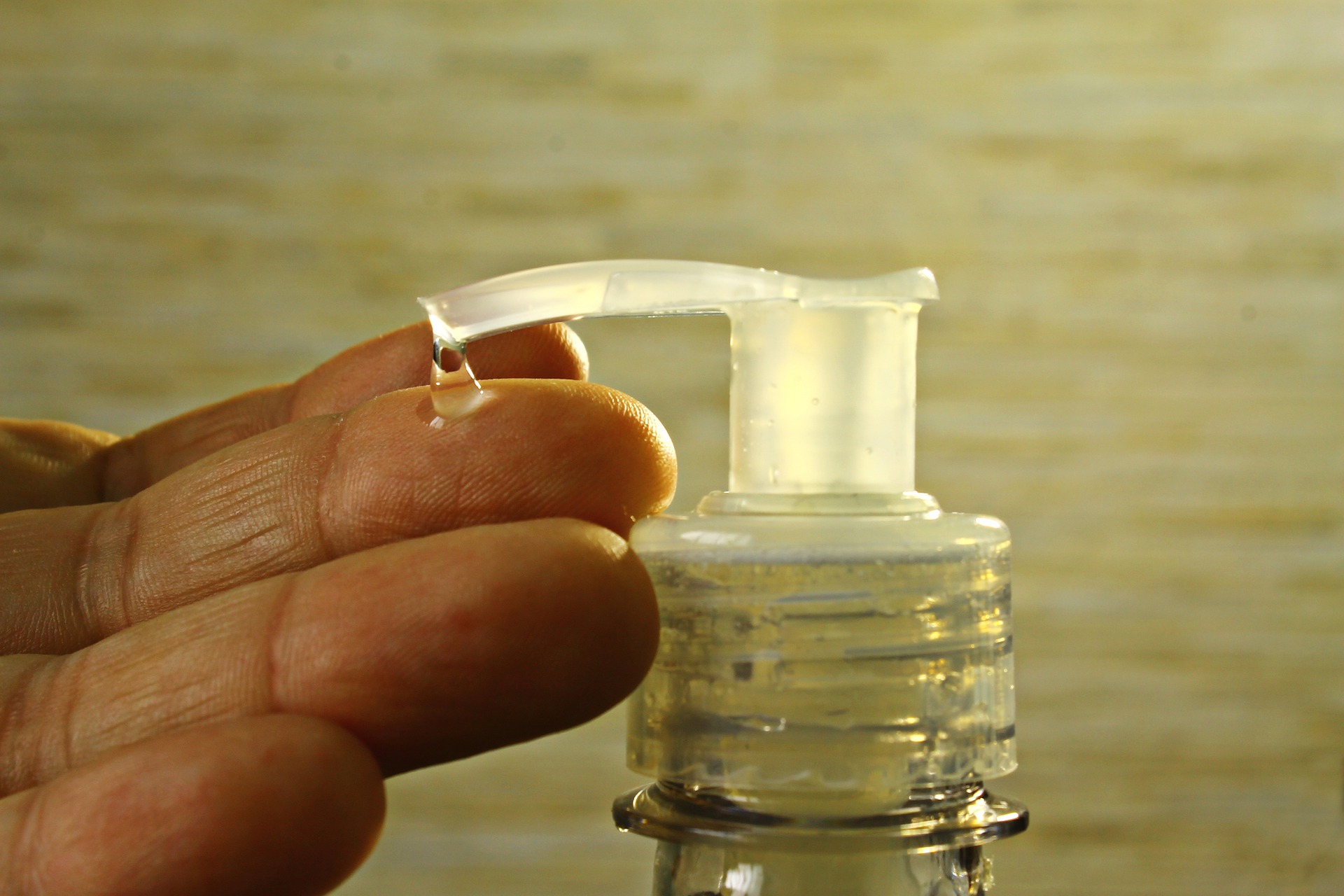
Find out more about the work we do through our case studies. ECFP has worked with more than 70 companies since our inception in 2012, across a wide range of industrial sectors. Our case studies give some insight into how we work with companies, the role we played, and the outcome for our partners. Click on the image to read our "developing a novel formulation for gel hand sanitisers using hypochlorous acid" case study in collaboration with Aqualution Systems.
DAINTech
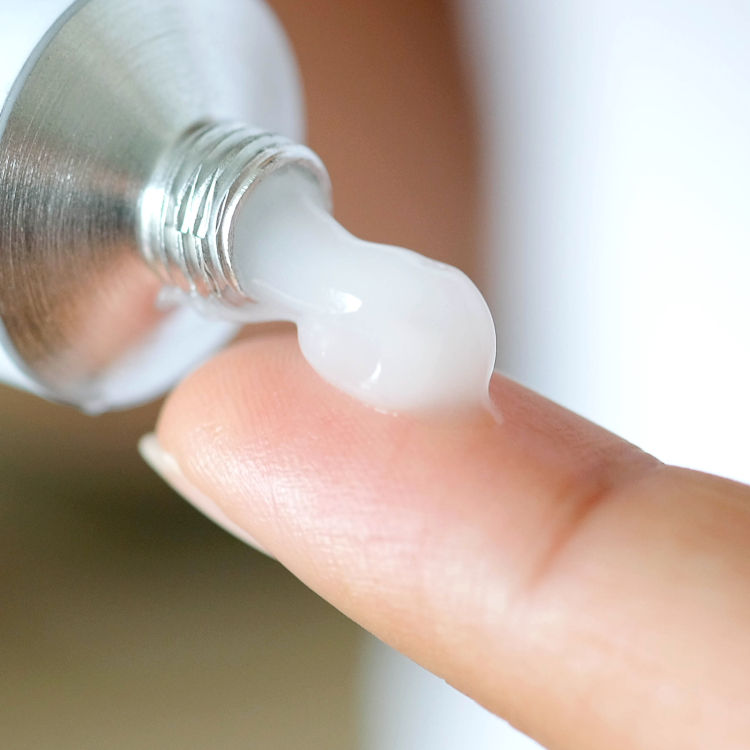
University of Edinburgh researchers have developed DAINTech, a new gel-phase formulation chassis technology. The DAINTech technology provides a route to stable formulations with appealing sensory aspects using established and cost-effective industrial materials, and without the use of polymer or microplastic elements. It also offers an alternative potential solution to formulate otherwise challenging ingredients. The platform technology is expected to be broadly applicable to a wide range of industry applications and gives commercial partners the opportunity to implement innovative, environmentally sustainable and commercially valuable formulation products as part of their product development process.

Where soft matter physics meets Renaissance beauty regimes
University of Edinburgh researchers have been collaboratively studying the history and science of Renaissance cosmetics. Both in Renaissance times and in the present day, the flow properties of such skin and hair care products is key to their formulation. As a result of their collaboration, they have developed The Beauty Sensorium – a multi-sensory commission where visitors can enter the world of Renaissance cosmetics. The exhibition shows how Renaissance cosmetic makers wrestled with many of the same technical challenges as modern soft matter scientists and industrial formulators.
New technique development - Contactless Interfacial Rheology
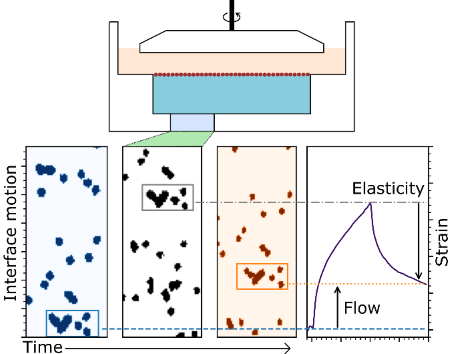
University of Edinburgh researchers have developed a novel interfacial rheology technique to test how interfaces flow without direct mechanical contact. This matches how interfaces in consumer products are indirectly affected by the flow of liquid as, e.g., as skin cream is applied. Further, this method enables us to visualise what is happening at these interfaces as the sample is sheared, unveiling any microstructural changes, for example.